 En
En
En
En
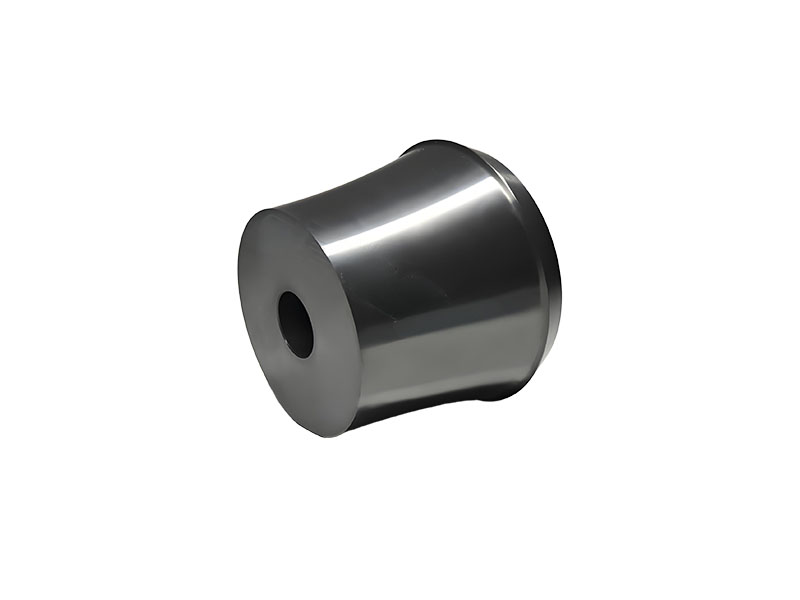
Arbeit gradzahl: für 1200-1600 ℃ mit.
Mechanical Properties: Flexural strength at room temperature > 980 MPa, Young's modulus 290 GPa.
Die verhältnis Von stickstoff zu silizium schiffsschrauben vorstellen
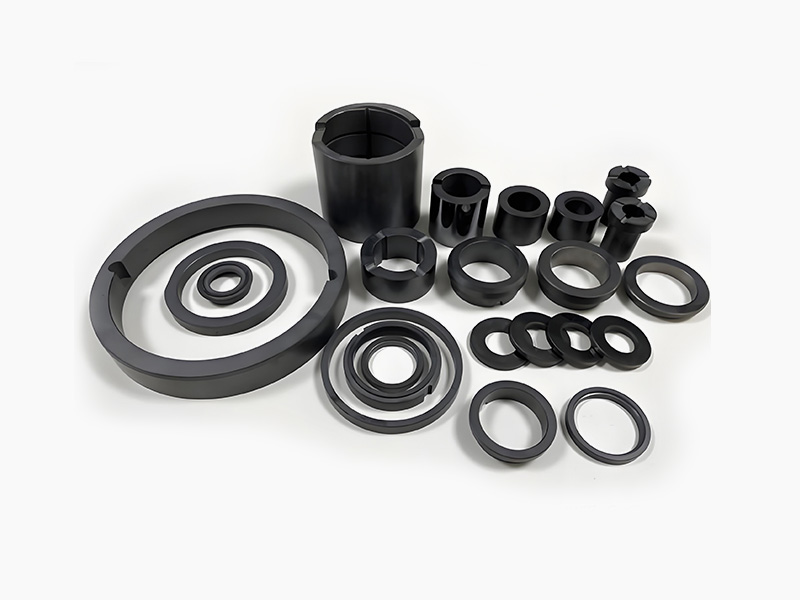
Stickstoffschweißen und pullover sind industrielle schiffsschrauben, die hauptsächlich für den hochfrequenzbetrieb genutzt werden. Der hauptvorteil liegt in der überlegenheit des materials#39; Zustand: unbekannt.
1.Intensität und ausdauer:Eine härte aus nitroglyzerin ist deutlich über dem traditionellen metallischen material (yhra93) und behält form und größe bei hohen druck - und temperaturverhältnissen.
2.2.Magnetisch und unleitbar:Energieeinbußen und elektromagnetische störungen wurden sowohl in den bereichen elektronik, elektronik und telekommunikation vermieden.
3.Niedrige temperatur:Es ist erlaubt, ideal ideal zu passen selbst in erhitzen und kühlen.
{y: bi} das feld der einsatzmöglichkeiten
1.Schweißen Von metallrohren:N: aluminiumröhren und kupferdrahe.
2. Luftfahrt. Luftfahrt:Bauteile zur hitze für einen motor.
3.Automobile sind:Wunder - und endprodukte.
4.Elektronik und halbleiter:Diese chips stellen geräte, geräte, elektronische packgeräte her.
5.Andere branche:Komponenten, die für chemische ausrüstung und in der photovoltaikbranche entwickelt werden.
Technical features and advantages
characteristic | Strengths and advantages | Compared to traditional materials |
High hardness | Its wear resistance is 8-10 times that of stainless steel rollers and 2-3 times that of tungsten carbide rollers. | Significantly extend service life. |
Non-magnetic | This minimizes energy loss in high-frequency coils, saving on electricity costs and improving welding stability. | Metal rollers experience energy loss. |
Low thermal expansion | The dimensions change very little with temperature variations, ensuring welding accuracy. | Metal materials are prone to thermal deformation. |
Corrosion resistant | It does not react with most inorganic acids except hydrofluoric acid, and its chemical properties are stable below 800℃. | Superior to ordinary metal materials. |
High thermal conductivity | It quickly conducts welding heat (20-30 W/(m·K)), preventing the rollers from overheating. | The heat dissipation efficiency is superior to that of ordinary ceramics. |
Supports custom specifications.